


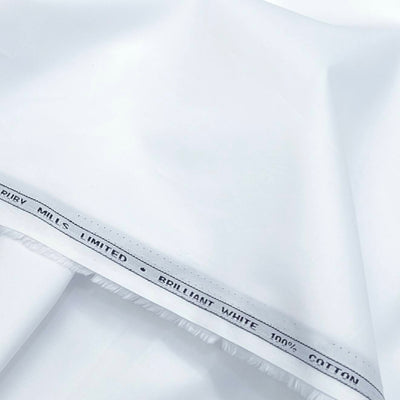

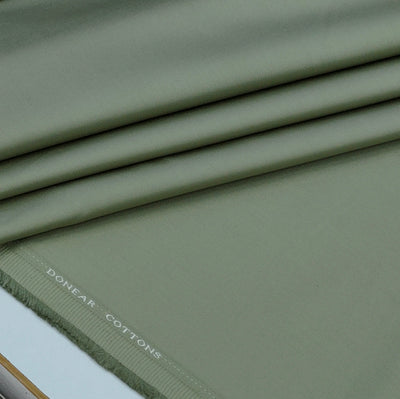
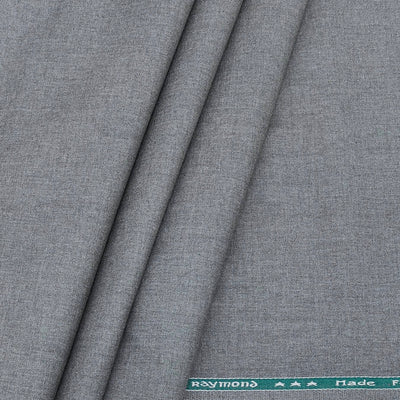

Pure Cotton vs Poly Cotton Shirt Fabric: Which One Should You Choose?
A well-stitched shirt can still feel uncomfortable if its fabric does not match your climate, routine and purpose. Among the most common shirting choices are pure cotton shirt fabric and poly cotton shirt fabric. Both can make attractive formal and casual shirts, but they perform differently in comfort, breathability, wrinkle resistance, durability and maintenance.
Pure cotton is valued for its natural softness, breathability and premium feel. Poly cotton combines cotton with polyester to create a more wrinkle-resistant, durable and easy-care fabric. Neither option is automatically best for everyone. The right choice depends on where you will wear the shirt, how long you will wear it, how often it will be washed and how much maintenance you prefer.
Quick answer
Choose pure cotton when natural comfort, breathability and a refined feel are your priorities. Choose poly cotton when you want better wrinkle resistance, easy maintenance, durability and practical value for frequent use.
What Is Pure Cotton Shirt Fabric?
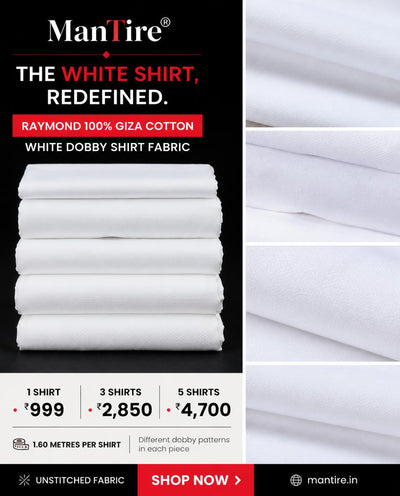
Pure cotton shirt fabric is made from cotton fibres without polyester being blended into the yarn. Cotton is a natural fibre obtained from the cotton plant. It is widely used for shirts because it feels comfortable against the skin, absorbs moisture and allows better airflow than many synthetic-heavy fabrics.
However, the term “100% cotton” describes fibre composition—not the complete quality of the fabric. Yarn fineness, cotton variety, weave, thread density, finishing and manufacturing quality all influence how a cotton shirt feels and performs. Two fabrics labelled 100% cotton can therefore differ greatly in softness, smoothness, durability, weight and price.
Main qualities of pure cotton shirting
- Natural breathability: Allows heat and moisture to move away from the body more comfortably.
- Soft hand feel: Good-quality cotton becomes comfortable against the skin and often softens further with use.
- Moisture absorption: Absorbs perspiration instead of allowing it to remain immediately on the skin.
- Premium appearance: Fine cotton yarns and high-quality finishes can create a refined formal shirt.
- Skin-friendly choice: Often preferred by people who dislike the feel of synthetic-heavy materials.
- Wide selection: Available in poplin, twill, oxford, dobby, satin, fil-à-fil and many other constructions.
What Is Poly Cotton Shirt Fabric?
Poly cotton is a blend of polyester and cotton fibres. The percentage of each fibre varies. Common compositions may be cotton-rich or polyester-rich, but buyers should always check the declared composition instead of assuming the ratio from the product name.
Polyester contributes strength, shape retention, faster drying and wrinkle resistance. Cotton adds softness, moisture absorption and a more natural feel. A thoughtfully made blend can balance everyday comfort with convenient maintenance.
Main qualities of poly cotton shirting
- Wrinkle resistant: Generally remains neater through a full working day.
- Durable: Handles frequent wearing and washing well when cared for correctly.
- Easy to maintain: Usually dries faster and requires less ironing than pure cotton.
- Shape retention: Helps collars, cuffs and the shirt body maintain a structured appearance.
- Practical pricing: Often provides an economical option for regular office shirts and uniforms.
- Colour stability: Good-quality blends can retain their overall appearance well after repeated use.
Pure Cotton vs Poly Cotton: Complete Comparison
| Factor | Pure Cotton | Poly Cotton |
|---|---|---|
| Composition | 100% cotton fibre | Cotton and polyester blend |
| Breathability | Generally higher | Moderate; depends on blend ratio and weave |
| Moisture handling | Absorbs perspiration well | Absorbs less when polyester content is higher, but dries faster |
| Wrinkles | Creases more easily | Usually more wrinkle resistant |
| Feel | Natural, soft and comfortable | Smooth, crisp and structured |
| Drying time | Generally slower | Generally faster |
| Ironing | Usually needs more pressing | Usually easier to press |
| Durability | Good, depending on yarn and construction | Very practical for frequent wear and washing |
| Price | Value to luxury, depending on cotton quality | Usually more economical |
| Best suited for | Comfort, warm weather and premium shirts | Daily office wear, uniforms and travel |
1. Comfort and Skin Feel
Pure cotton normally feels more natural against the skin. Fine cotton can be soft, smooth and comfortable for long hours. This makes it a popular choice for people who wear shirts directly against the body or live in warm conditions.
Poly cotton can also be comfortable, especially when it is cotton-rich and well finished. However, a polyester-rich blend may feel less airy or slightly warmer during extended wear. The actual experience depends on the blend ratio, weave, fabric weight and finishing—not merely the words “poly cotton.”
Comfort winner: Pure cotton, particularly for prolonged wear and people who prefer natural fibres.
2. Breathability and Indian Weather
In India’s warm and humid conditions, breathability is extremely important. Cotton fibres absorb moisture and allow airflow, helping the shirt feel more comfortable. Lightweight cotton poplin, fil-à-fil and other breathable constructions are useful for summer and everyday formal wear.
Poly cotton dries faster because polyester absorbs less water, which can be convenient during monsoon or when shirts must be washed and reused quickly. But a blend with a high polyester percentage may hold body heat more than pure cotton. A lightweight cotton-rich poly cotton can be a practical middle option.
- Hot and humid climate: Lightweight pure cotton is generally preferable.
- Air-conditioned office: Both pure cotton and poly cotton can work well.
- Monsoon and quick drying: Poly cotton offers greater convenience.
- Outdoor work: Select by breathability, weight and colour; do not rely only on fibre name.
- Frequent travel: Poly cotton is easier to pack and maintain.
3. Wrinkle Resistance and Formal Appearance
Pure cotton naturally creases with movement. A freshly pressed cotton shirt looks refined, but it may show wrinkles after sitting, driving or working for several hours. Certain weaves and easy-care finishes can reduce creasing, but pure cotton will generally require more pressing than poly cotton.
Polyester helps poly cotton recover from wrinkles and maintain a crisp appearance. This is useful for long office days, travel, uniforms and anyone who wants a neat shirt with minimum effort.
Wrinkle-resistance winner: Poly cotton.
4. Durability and Frequent Washing
Both fabrics can last well when the underlying quality is good. Pure cotton is durable, but repeated rough washing, strong detergent, excessive heat or harsh drying can affect colour, softness and dimensions.
Polyester adds tensile strength and abrasion resistance to poly cotton. This is why blends are often selected for uniforms, regular office shirts and garments that face frequent washing. A blend may retain its shape and overall appearance longer under demanding everyday use.
Frequent-use winner: Poly cotton for maximum practicality; pure cotton remains durable when handled correctly.
5. Maintenance, Drying and Ironing
Pure cotton absorbs more water, so it can take longer to dry. It usually needs proper ironing to restore a crisp formal look. Some cotton fabrics may shrink slightly if exposed to unsuitable washing or drying temperatures; always follow the care instructions.
Poly cotton generally dries faster, wrinkles less and needs lighter ironing. This makes it convenient for people with limited time or for households managing many office or uniform shirts.
Care tips for pure cotton shirts
- Follow the care label supplied with the fabric or finished shirt.
- Wash similar colours together and avoid unnecessary harsh bleaching.
- Do not expose dark colours to strong sunlight for excessive periods.
- Remove the shirt promptly after washing to reduce deep wrinkles.
- Iron at the recommended temperature, preferably when slightly damp if permitted.
Care tips for poly cotton shirts
- Use a gentle or normal wash according to the care label.
- Avoid very high ironing temperatures because polyester can react badly to excessive heat.
- Remove promptly from the washing machine and hang neatly.
- Avoid over-drying, which can set wrinkles and affect the finish.
6. Style, Drape and Premium Appearance
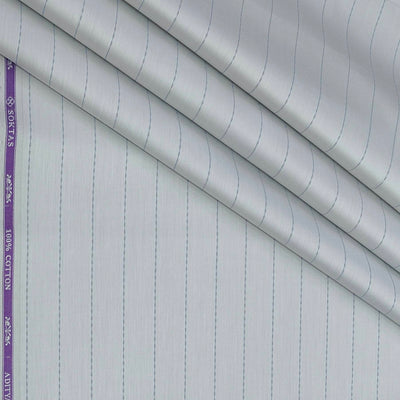
Fine pure cotton has a natural richness that works beautifully in premium formal and smart-casual shirts. Depending on the yarn and weave, it can feel crisp like poplin, silky like fine cotton satin, textured like oxford or subtly patterned like dobby.
Poly cotton often looks crisp, clean and consistent. It is excellent for practical formal shirts, but a basic blend may not provide the same natural depth or luxurious hand feel as fine cotton. High-quality poly cotton, however, can still look attractive and remain presentable for long hours.
Premium-feel winner: Fine pure cotton. All-day neatness winner: Poly cotton.
7. Price and Long-Term Value
Pure cotton is available across a wide price range. Ordinary cotton can be affordable, while long-staple and extra-long-staple varieties, fine yarn counts, special weaves and premium mill finishes may cost significantly more.
Poly cotton is generally economical and offers strong value when durability, low maintenance and frequent use are priorities. For uniforms or a large office-shirt rotation, it can reduce both purchase and care effort.
Do not judge value only by the purchase price. Consider comfort, frequency of use, ironing effort, expected life and the purpose of the shirt.
Which Shirt Fabric Should You Choose?
Choose pure cotton shirt fabric if:
- You want maximum natural comfort and breathability.
- You regularly wear shirts in warm or humid weather.
- You prefer a soft, premium feel against your skin.
- You are buying a high-quality formal or occasion shirt.
- You are comfortable with regular ironing and careful maintenance.
Choose poly cotton shirt fabric if:
- You need easy-care shirts for daily office wear.
- You want better wrinkle resistance and shape retention.
- You travel frequently or need shirts that dry quickly.
- You are selecting fabric for uniforms or frequent washing.
- You want practical durability within a controlled budget.
Best Choice by Requirement
| Requirement | Recommended Fabric | Reason |
|---|---|---|
| Hot-weather comfort | Pure cotton | Better natural breathability |
| Daily office shirt | Either | Choose cotton for comfort or poly cotton for convenience |
| Corporate uniform | Poly cotton | Durable and easy to maintain |
| Premium formal shirt | Fine pure cotton | Refined feel and appearance |
| Frequent travel | Poly cotton | Wrinkle resistant and quick drying |
| Sensitive skin | Pure cotton | Natural feel, subject to individual sensitivity |
| Low-maintenance wardrobe | Poly cotton | Less ironing and faster drying |
What Does the Cotton–Polyester Ratio Mean?
The blend ratio tells you how much cotton and polyester the fabric contains. A cotton-rich blend generally feels softer and more breathable, while a polyester-rich blend usually offers stronger wrinkle resistance, quicker drying and easier maintenance.
There is no universally perfect ratio. A comfortable office shirt may need a different balance from a staff uniform or travel shirt. Always check the declared composition and physically assess the weight, texture and drape whenever possible.
How to Check Shirt Fabric Before Buying
- Read the fibre composition: Confirm whether the material is 100% cotton or a blend, and check the exact percentages.
- Consider the climate: Select lighter, breathable constructions for hot weather.
- Feel the surface: The fabric should feel comfortable against the skin rather than excessively rough or plastic-like.
- Hold it against light: Observe its density and transparency, especially for white or light-coloured shirts.
- Check the drape: Make sure it has the softness or structure required for your shirt style.
- Ask about maintenance: Confirm washing, ironing and shrinkage-related instructions.
- Use a skilled tailor: Correct cutting, collar construction, interlining and fit are essential for a polished shirt.
Does Pure Cotton Always Mean Better Quality?
No. Pure cotton tells you the fibre composition, not the overall grade. Shorter fibres, coarser yarn, loose construction or poor finishing can produce an ordinary 100% cotton fabric. A well-manufactured poly cotton fabric may look better and last longer than a low-quality cotton fabric.
Evaluate the mill or brand, fibre quality, yarn, weave, finish, colour fastness, comfort and intended use. The best fabric is the one that performs correctly for your requirement.
Final Verdict: Pure Cotton or Poly Cotton?
Pure cotton shirt fabric is the comfort-focused choice. It is naturally breathable, absorbent and well suited to warm weather, long wearing hours and premium tailoring. Its main trade-offs are greater wrinkling, slower drying and more maintenance.
Poly cotton shirt fabric is the practical choice. It resists wrinkles, dries faster, retains shape and handles frequent use conveniently. Its comfort and breathability depend heavily on the blend ratio and fabric construction.
A balanced wardrobe can include both: pure cotton shirts for comfort, premium dressing and warm days, along with poly cotton shirts for travel, uniforms and low-maintenance daily wear.
Explore Shirt Fabrics at ManTire
ManTire offers an extensive selection of authentic unstitched shirt fabrics for everyday formal wear, business dressing and premium tailoring. Compare pure cotton and poly cotton fabrics by colour, pattern, composition, weave and purpose before choosing your ideal shirt length.
Choose the fabric you love and have it tailored to your exact fit and personal style.
Frequently Asked Questions
1. What is the main difference between pure cotton and poly cotton?
Pure cotton contains only cotton fibre, while poly cotton blends cotton with polyester. Cotton prioritises natural comfort and breathability; poly cotton prioritises wrinkle resistance, durability and easy maintenance.
2. Which fabric is better for summer shirts?
Lightweight pure cotton is generally better for hot and humid weather because it absorbs moisture and breathes naturally. The weave and weight also affect comfort.
3. Is poly cotton comfortable for daily office wear?
Yes. A good-quality, cotton-rich poly cotton can be comfortable while remaining neat and easy to maintain throughout the working day.
4. Which fabric wrinkles less?
Poly cotton generally wrinkles less because polyester improves crease resistance and shape retention.
5. Which shirt fabric lasts longer?
Poly cotton often performs better under frequent washing and demanding everyday use. High-quality pure cotton can also last for years with appropriate care.
6. Does pure cotton shrink?
Some cotton fabrics may shrink slightly, particularly if washed or dried at unsuitable temperatures. Follow the care instructions and ask whether the fabric has been pre-shrunk.
7. Is poly cotton suitable for uniforms?
Yes. Poly cotton is widely selected for uniforms because it is durable, wrinkle resistant, quick drying and comparatively easy to maintain.
8. Which fabric looks more premium?
Fine pure cotton generally offers a more natural, refined feel. However, weave, yarn quality, finishing, colour and tailoring also influence the final appearance.
9. Is pure cotton always expensive?
No. Pure cotton is available at many price points. Premium prices usually reflect finer yarn, better cotton fibre, specialised weaving, finishing and brand value.
10. How can I identify pure cotton?
The safest method is to check the manufacturer’s fibre-composition declaration. Touch or appearance alone cannot reliably confirm whether a fabric is pure cotton.
11. Which fabric is better for travel?
Poly cotton is generally more convenient for travel because it resists wrinkles, dries quickly and needs less pressing.
12. How much fabric is needed for one shirt?
The required length depends on the fabric width, wearer’s measurements, sleeve length, shirt style and tailor’s cutting method. Confirm the exact quantity with your tailor before ordering cut fabric.
Buy Pure Cotton Shirt fabric
Buy Poly Cotton Shirt Fabric