


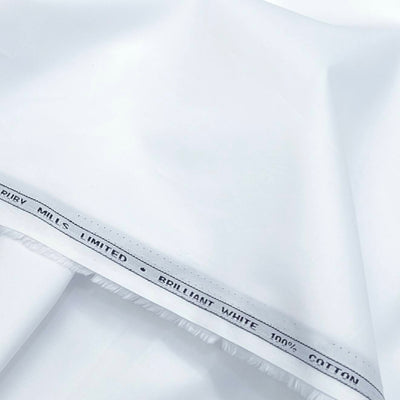
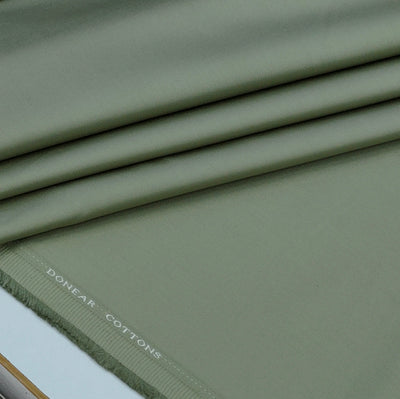
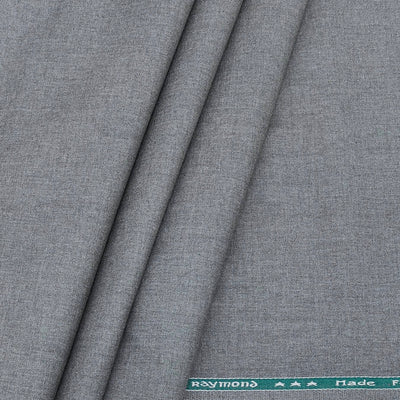
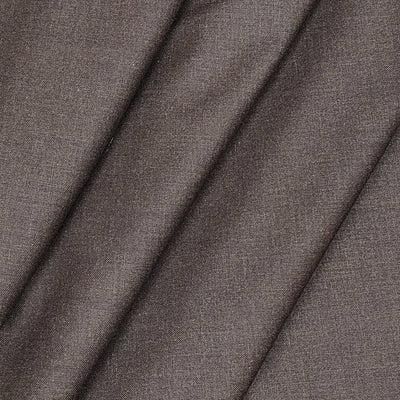
Quick answer: poly-viscose and TR are practical formal choices, cotton gives a natural hand and chino-like character, stretch fabrics improve movement, and wool or wool blends offer the most traditional premium drape. The best option depends on climate, maintenance and how formal you want the trouser to look.
Poly-viscose (PV)
PV blends polyester with viscose. It is widely used for formal trousers because it can offer a smooth surface, stable drape, crease retention and practical maintenance. The exact polyester-to-viscose ratio varies by article.
Browse current Regular Trouser Fabric for many everyday formal options.
TR trouser fabric
TR is a market term commonly used for polyester-rayon or polyester-viscose type blends, depending on mill terminology. It is valued for a clean formal appearance and practical wear. Because naming varies, always read the actual composition where available.
See TR Trouser Fabric for current examples.
Pure cotton trouser fabric
Cotton feels natural and can be very comfortable, particularly in chinos and less rigid office environments. It usually wrinkles more than synthetic-rich formal blends and can look slightly more casual depending on weave.
Explore Pure Cotton Trouser Fabric.
Stretch formal trouser fabric
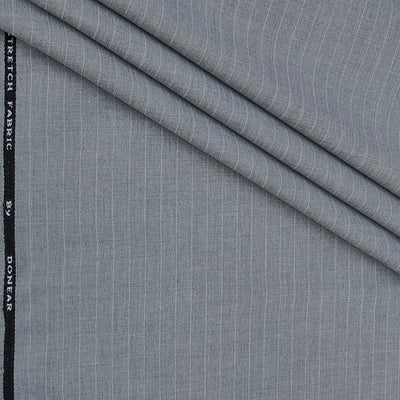
Stretch construction is useful for long sitting, travel and slim fits. It can be based on cotton, PV or other blends. Good recovery is important: the fabric should move without staying stretched at the knees or seat.
ManTire's Lycra Trouser Fabric collection includes a broad range of stretch-focused articles.
Wool and wool blends
Wool remains a benchmark for premium formal tailoring because of its drape, recovery and refined surface. Wool blends can offer some of these benefits with different durability, climate and price characteristics. Fine-count wool should be chosen according to use, not count alone.
Which fabric for Indian office wear?
- Hot climate and frequent use: lightweight cotton, breathable blends or lighter PV/TR.
- Air-conditioned office: PV, TR, cotton and wool blends can all work.
- Travel and long sitting: stretch construction is useful.
- High-formality meetings: fine PV/TR or wool-based trousering gives a cleaner drape.
- Luxury tailoring: wool and fine wool blends provide a more traditional tailored finish.
What matters more than fibre name?
Weight, weave, finish, colour, recovery and tailoring matter enormously. A poor-quality fabric in the “right” fibre can perform worse than a well-constructed blend chosen for the actual use.
Frequently asked questions
Is PV good for formal pants?
Yes. It is one of the most practical categories for formal trousers because of its smooth appearance and easy maintenance.
Is cotton formal enough for office trousers?
Yes, especially in plain, clean weaves and darker colours, though it generally looks more relaxed than classic suiting.
Is wool too warm for India?
Not always. Fine lightweight wool can be comfortable in moderate weather and air-conditioned environments. Fabric weight matters more than the word “wool” alone.