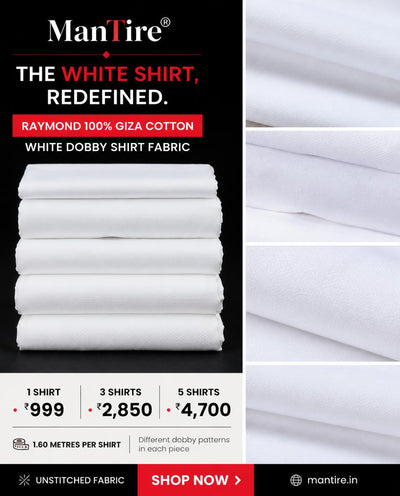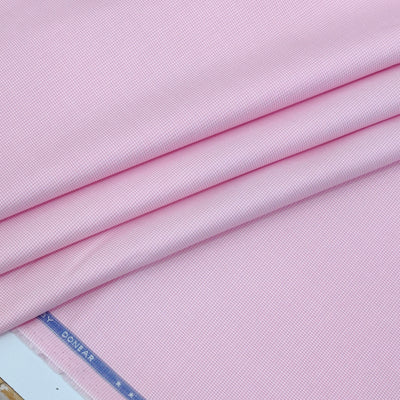

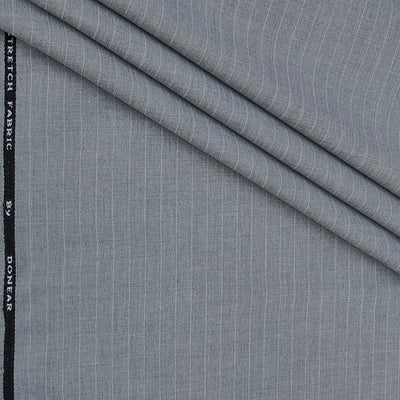
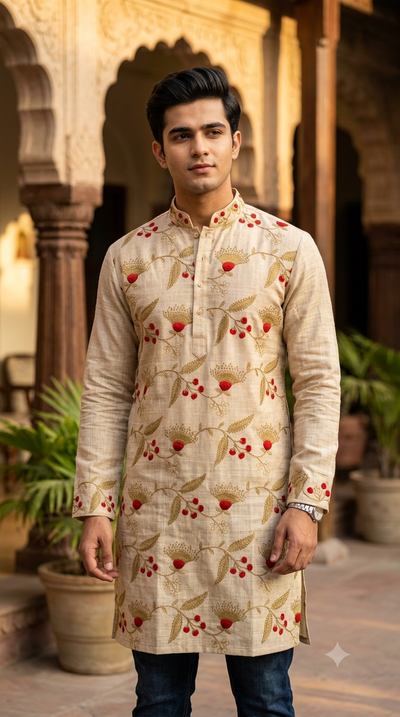


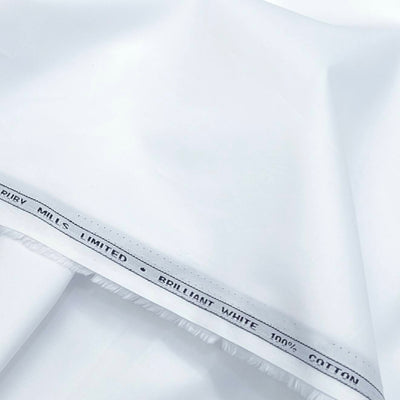
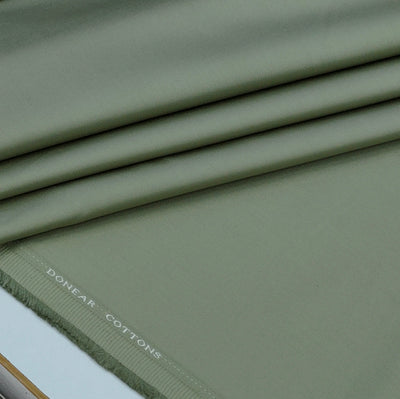
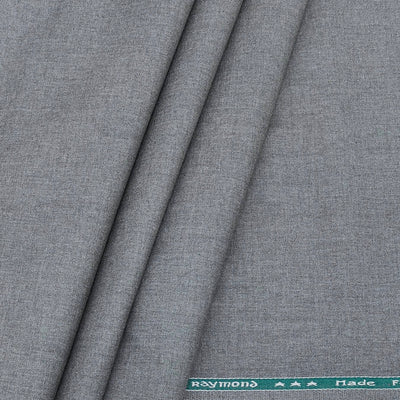
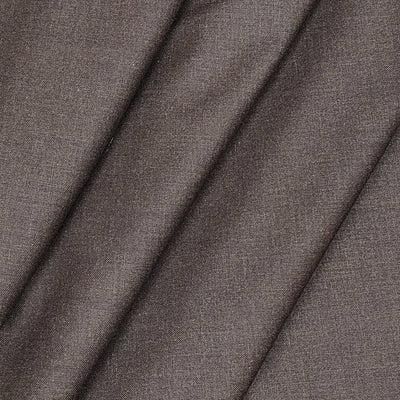
Quick answer: fabric price is not determined by fibre name alone. Two cottons or two wools can have very different prices because yarn quality, fineness, width, weave, finishing, brand, collection, design complexity and supplied length all change the cost.
1. Fibre content
Natural fibres such as fine cotton, linen, silk and wool can cost more than common synthetic blends, but there is wide variation inside every fibre category. A premium long-staple cotton is not directly comparable with a basic cotton; Merino wool is not the same as a low-wool blend.
2. Yarn fineness and count
Fine yarns require different fibre selection and spinning control. Wool “Super” counts and linen Lea counts are examples of fineness systems. Higher numbers can indicate finer yarn, but they do not automatically guarantee that a fabric is better for every use.
3. Fabric width
Price per metre can be misleading if two fabrics have different widths. A wider fabric gives more usable area per metre. Always compare width together with the metre price or cut-piece price.
4. Weave and construction
Plain, twill, satin, dobby, jacquard, corduroy and other constructions require different yarn use and production processes. Complex structures can cost more even when fibre content is similar.
5. Pattern and finishing
Digital prints, jacquards, embroidery, special stretch finishing, brushing, milling, lustre treatments and other processes add manufacturing steps. A simple plain fabric can therefore have a very different cost structure from an elaborate design.
6. Brand and collection
Established mills invest in fibre sourcing, product development, quality control, finishing and distribution. Within a brand such as Raymond, prices can still vary widely by fibre and collection. The same applies to Linen Club and other mills.
7. Pure fibre vs blend
Blended fabric is not automatically inferior. Blending can improve crease resistance, stretch, durability or price. The right comparison is whether the construction suits the intended garment.
8. Per metre vs cut-piece pricing
Do not assume every online fabric listing uses the same unit. Some products are sold by metre, some by a specified cut length or garment-length piece. Before comparing prices, check the exact product description, selected quantity and supplied length.
How to compare two fabrics fairly
- Compare fibre composition.
- Check width and supplied length.
- Compare count or yarn information where stated.
- Look at weave and finishing.
- Consider brand and collection.
- Compare intended use: shirt, trouser, suit, blazer or kurta.
- Do not judge quality from price alone.
Why ManTire product pages may show large price differences
ManTire carries a wide range from practical daily fabrics to premium and luxury articles. A basic formal trouser fabric and a fine wool article can belong to the same broad garment category while using very different raw materials and manufacturing standards. Use the product-specific composition and specifications as the basis for comparison.
Frequently asked questions
Does higher price always mean better fabric?
No. Higher price can reflect finer material, brand, construction or finishing, but the best fabric is the one suited to your garment, climate and use.
Why can two Raymond fabrics have very different prices?
Because Raymond produces multiple fibres, counts, blends, finishes and collections. Brand name alone does not define one standard price.
Should I compare fabrics only by price per metre?
No. Width, composition, cut length and intended garment must be compared at the same time.