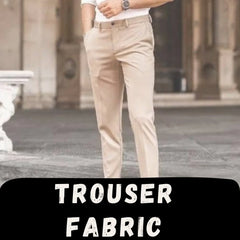
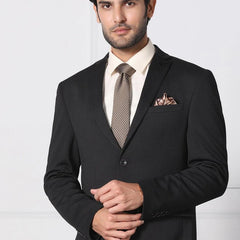
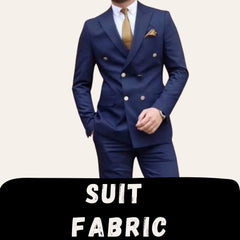
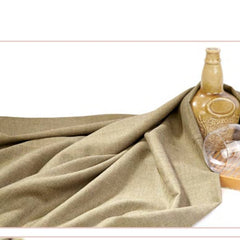
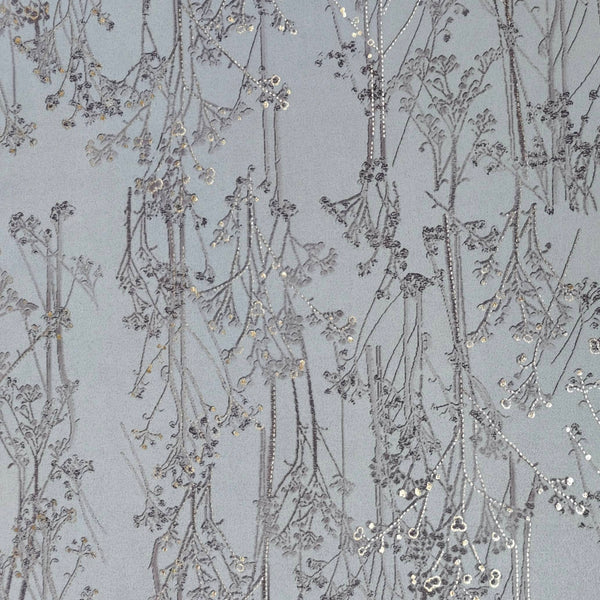
Raymond Exotic Premium Super 110s fabric features 70% wool with a chalkstripe pattern in Elaichi Green. Designed for premium trousers, its Super 110s count ensures durability and a refined texture, suitable for formal suiting with enhanced comfort and breathability.
- Brand Raymond
- Fabric Super 110s Count Merino Wool
- Composition 70% super 110s count wool and 30% Polyester
- Pattern Chalkstripe
- Colour Elaichi Green
- Ultra Premium Light weight Fabric
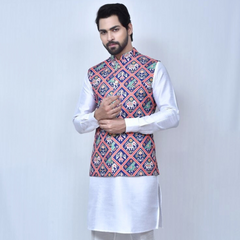
- Length 1.30 for Trouser, 2.0 Meter for Blazer, 3.0 Meter for bandhgala or two peiece Suit, 4.0 meter For three Peiece Suit
Image may vary due to focus and ligting and mobile Screen setting changes
The Raymond Exotic Tasmania Super 110s Collection is an elite suiting fabric engineered from selected Tasmanian Merino wool blended with premium fine microfibers. Originating from Raymond’s celebrated mill lines, this fabric achieves a refined balance of natural luxury, crisp drape, and resilient performance. With an optimal Super 110s wool count, the yarn provides an exceptionally soft hand-feel and subtle natural luster while maintaining the structural body required for clean tailoring.
Blended with 70% wool and 30% polyester, this weave eliminates the fragility of ultra-fine pure wools without sacrificing thermal breathability, drape, or comfort. It naturally resists wrinkles, retains sharp creases, and recovers its form overnight, making it the gold standard for bespoke two-piece and three-piece business suits, sharp tailored blazers, ceremonial bandhgalas, and luxury everyday trousers.
Key Fabric Characteristics
- Superior Drape & Hand-Feel: The Super 110s fine-micron Tasmanian wool gives a fluid, structured fall across trousers and jacket canvases.
- Active Crease Recovery: The wool fibers have natural crimp and elasticity, reinforced by a synthetic core that releases wrinkles quickly after sitting or traveling.
- Four-Season Thermal Comfort: High wool density allows breathability in warmer indoor environments while trapping body heat during cool seasons.
- Matte-to-Subtle Luster: Woven to deliver a deep, glare-free finish suitable for conservative boardrooms as well as evening functions.
Technical Specifications
| Parameter |
Specification |
| Brand & Mill |
Raymond Fine Fabrics |
| Collection |
Exotic Tasmania Collection |
| Yarn Fineness |
Super 110s Count |
| Composition |
70% Tasmanian Merino Wool, 30% Fine Polyester |
| Fabric Width |
147–150 cm (~58 inches / Bada Panna) |
| Pattern |
Stripe |
| Recommended End Use |
Trousers, Blazers, 2-Piece/3-Piece Suits, Safari Suits, Bandhgalas |
| Weave Type |
Plain Twill / Textured Worsted Suiting |
Tailoring Yardage Guide
| Garment Type |
Fabric Requirement (Width: 58") |
Tailoring Notes |
| Formal Trouser |
1.20 – 1.30 meters |
Standard cuts take 1.30m; pleated or tall frames (over 6'0") require 1.30m. |
| Single-Breasted Blazer |
2.00 – meters |
Accommodates regular notch or peak lapels and patch/flap pockets. |
| Two-Piece Suit |
3.00 – meters |
Covers jacket and matching trousers. |
| Three-Piece Suit |
4.0– meters
|
Includes jacket, trousers, and 5-to-6 button vest. |
| Nehru Jacket / Bandhgala |
1.30 – meters |
Sleeveless styles take 1.30m; full-sleeve Bandhgala jackets require 2.00m. |
Care & Maintenance Q&A (Preserving Garment Quality)
Q1: Can trousers or suits made from this fabric be machine washed or hand washed?
A: No. Fabrics with a 70% wool blend must never be machine washed, hand washed, or soaked in water. Agitation and water immersion cause animal fibers to swell, lock together, and permanently shrink (felting). Moisture also dissolves internal canvassing, chest felts, and shoulder pads inside jackets. Always opt for professional dry cleaning only.
Q2: How often should suits and blazers made from this fabric be dry cleaned?
A: Dry clean only 2 to 3 times per season, or when a visible spill occurs. The harsh solvents in chemical dry cleaning strip wool of its natural lanolin oil, leading to dry, brittle yarn over time. Routine freshness is best achieved by airing the garment on a balcony or near an open window for a few hours after wear.
Q3: How should wrinkles be removed without damaging the wool?
A:
- Steaming (Recommended): Use an upright garment steamer held 1 to 2 inches away from the fabric. Steam relaxes the wool fiber's natural hydrogen bonds, causing wrinkles to drop out without mechanical pressure.
- Ironing (If Necessary): Set the iron to the "Wool" setting (medium-low heat). Never apply a hot iron plate directly onto the fabric surface, as this crushes the weave and creates an irreversible shiny glaze. Always place a clean, slightly damp white cotton pressing cloth between the iron and the fabric.
Q4: What is the rule for trouser rotation and daily wear?
A: Never wear wool trousers two days in succession. Wool needs at least 24 to 48 hours of rest between wears on a tension-clamp hanger. Hanging allows moisture absorbed from perspiration to evaporate and lets the wool fibers bounce back to their natural memory, preventing sagging knees and baggy seat pockets.
Q5: How should this garment be stored off-season to prevent moth damage?
A:
- Clean First: Dry clean the garment before long-term storage, as moths target invisible food residue, body oils, and skin cells.
- Breathable Garment Bags: Store suits in canvas or non-woven fabric garment bags. Avoid sealed plastic covers, which trap moisture and promote mildew.
- Natural Repellents: Place cedarwood blocks, cedar rings, or lavender sachets inside the wardrobe. Avoid naphthalene mothballs directly touching the fabric, as the chemical scent penetrates wool fibers deeply and is difficult to remove.
Q6: What type of hangers should be used for blazers and trousers?
A:
- For Jackets and Blazers: Use wide, contoured wooden or molded plastic hangers with at least 1.5 to 2 inches of shoulder flare. Wire or thin plastic hangers dig into the wool and distort shoulder padding permanently.
- For Trousers: Use a horizontal felt-covered bar or a felted clamp hanger that grips the cuff to hang the trousers upside down, allowing gravity to pull out horizontal creases.
Q7: What pre-tailoring step is mandatory before cutting this fabric?
A: The unstitched cut piece should undergo steaming and decatizing (relaxation). Have the tailor steam press the unstitched fabric on a flat table using a press cloth to eliminate tension introduced during tight loom winding. Pre-relaxing the length ensures the trousers and jacket seams will not ripple or pucker after their first professional dry clean.